
Scenic flight weather conditions: What kind of weather is suitable for a sightseeing flight?

Scenic flight weather conditions: why visibility and safety are crucial

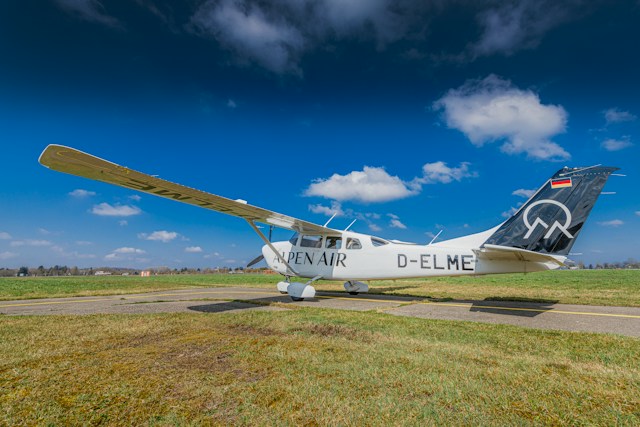
ALPEN AIR aircraft parked on an airfield beneath blue skies and scattered white clouds

The weather conditions for scenic flights determine whether a flight can take place as planned. Guests hope for clear visibility, calm conditions, and a good view of Bavaria. At the same time, we always prioritize safety over schedule requests, special occasions, or panoramic views.

As mentioned in our FAQs, we only fly when weather conditions are suitable for flying. Scenic flights are canceled in the event of poor visibility, thunderstorms, or severe turbulence. If a flight cannot take place, we will contact our guests no later than the day before. On the day of the flight, the pilot makes the final decision regarding whether it can be conducted safely.

This rule protects passengers, the crew, and the flight experience. A rescheduled flight is therefore not a planning error. It ensures that the scenic flight takes off only when conditions are suitable.

Clear views: when Bavaria looks clear from the air

Visibility is one of the most important factors affecting scenic flight weather. When the air is clear, Munich, lakes, forests, the alpine foothills, and the Alps are more easily visible. Neuschwanstein Castle, the Zugspitze, and the Five Lakes Region also appear more distinct from a distance.

The German Weather Service identifies visibility and the lower limit of cloud cover as important factors for visual flights. Pilots use information about the takeoff location, flight route, and landing site for this purpose. This data aids in flight preparation several days in advance and shortly before takeoff.

Good visibility often occurs when the air is dry and weather conditions are stable. After a change in the weather, the air can also appear clear. However, it is never possible to guarantee a specific view.

Rundflug Wetter mit Alpen Bewölkung und wechselnder Sicht aus dem Flugzeug

Cloud cover: not every cloud prevents a scenic flight

Cloud cover does not automatically make a scenic flight impossible. High or scattered clouds can even make the landscape appear more textured. Low clouds, fog, or a solid cloud cover, on the other hand, limit visibility.

The cloud base is especially important on alpine routes. If clouds hang low in valleys or around peaks, the route becomes less viable. That’s why our pilots don’t just check the sky at the takeoff location.

The weather in Munich may be pleasant, while clouds hang over the Alps. Visibility at the lake may also differ from that at the airfield. That’s why we always evaluate the weather, the route, and the view together.

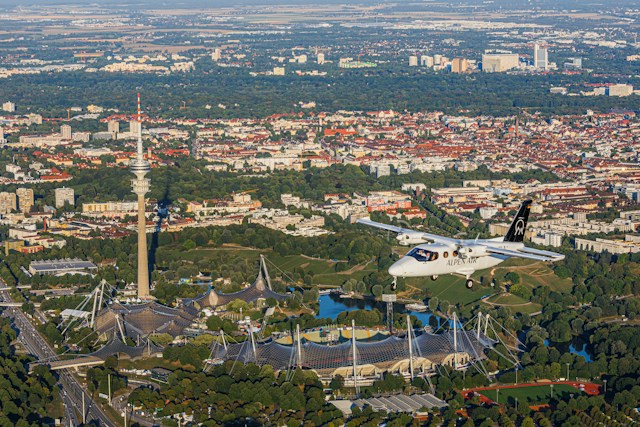
ALPEN AIR aircraft flying above Munich Olympic Park with the Olympic Tower and stadium visible below

Wind, thunderstorms, and turbulence

When it comes to scenic flights, the weather isn’t just about sunshine and clouds. Wind, the likelihood of thunderstorms, and turbulence also affect the flight. Particularly severe turbulence can make a scenic flight uncomfortable or not advisable.

Thunderstorms, poor visibility, and severe turbulence are clear reasons not to take a scenic flight. We want to offer you safe conditions, good views, and a pleasant flying experience. That’s why we only take off when the conditions are right from a technical standpoint.

Therefore, passengers should not rely solely on a blue sky. Even a day that appears to be beautiful may not be suitable for flying. Pilots therefore assess conditions based on their professional judgment rather than on first impressions.

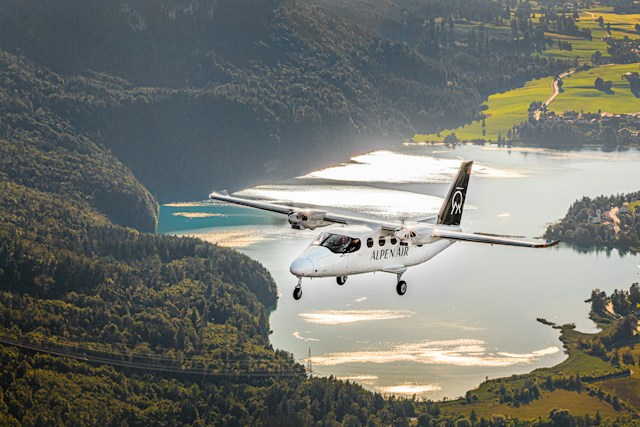
ALPEN AIR aircraft flying above a sunlit Bavarian lake, illustrating Scenic Flight Weather Conditions

Scenic flight weather conditions in spring, summer, fall, and winter

Scenic flights can take place at any time of year, provided the weather and visibility are suitable. We offer our scenic flights year-round. Winter, in particular, can offer exceptionally clear views of the snow-capped Alps.

In the spring, lakes, forests, and meadows often look fresh and clear. At the same time, the weather can be unpredictable. That’s why it helps to have a flexible time frame.

In the summer, mornings can offer pleasant periods of clear visibility. Later in the day, haze, heat, or the likelihood of thunderstorms often increase. In the fall, clear contours often emerge, while morning fog can be a nuisance.

Winter can create some truly striking alpine scenes. Snow, clear air, and a lower sun make the landscape stand out more. Even so, the actual weather conditions on the day of the scenic flight are what ultimately determine the experience.

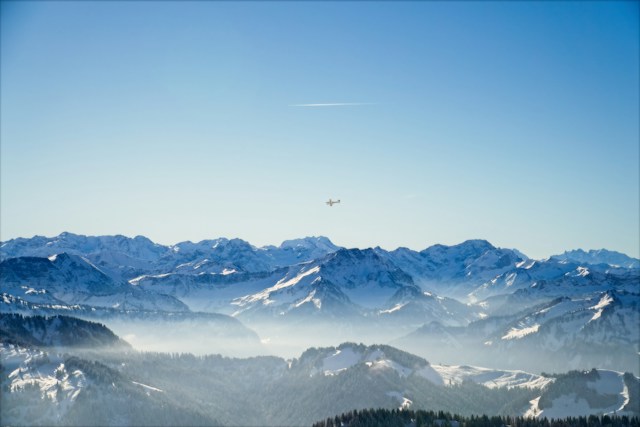
Small aircraft flying above snow-covered Alpine mountains with blue skies and light mist in the valleys

Rescheduling: what happens if the weather is unsuitable?

If the weather isn’t suitable for a scenic flight, the flight will be canceled. We’ll contact you no later than the day before and work with you to find an alternative. On the day of the flight, the final decision rests with the pilot.

This information is especially important when it comes to gifts. A gift certificate is valid for the flight experience under appropriate conditions. However, it does not guarantee a flight in all weather conditions.

Planning with ALPEN AIR: route, arrival, and weather Buffer

Passengers should take scenic flight weather conditions into account when choosing a route. Longer alpine routes often require more stable conditions over a greater distance. Shorter routes may seem easier to plan when visibility is good.

On the ALPEN AIR website, guests can find various routes, such as the Five Lakes Region, Neuschwanstein, Alps XXL, Oktoberfest, and Augsburg. The tours vary in duration, route, and scenic highlights.

We ask that you arrive at the meeting point 15 to 30 minutes before the scheduled departure time. This will give you enough time to arrive, get your bearings, and ask any questions you may have. Especially when the weather is changeable, having a little extra time can make a big difference.

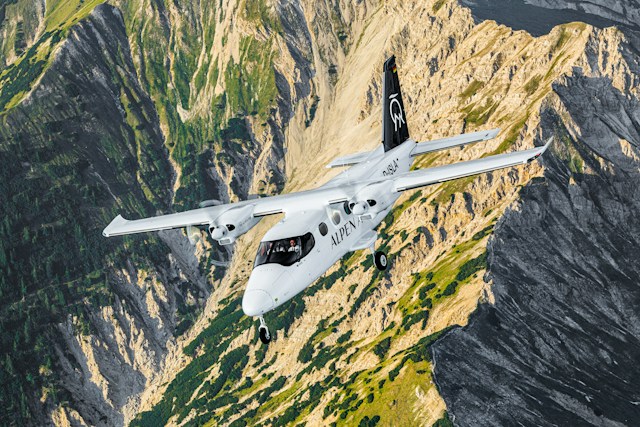
ALPEN AIR aircraft flying near steep Alpine mountain slopes in clear daylight

Realistically assessing weather conditions for a sightseeing flight

Good weather for a scenic flight isn’t just about blue skies. Visibility, cloud cover, wind, turbulence, and safe conditions along the route are all crucial factors. That’s why we carefully assess every flight.

Anyone planning a scenic flight should remain flexible and realistically assess visibility conditions. This is especially true for alpine panoramas, gift certificates, and longer routes. When the weather, visibility, and safety conditions align, the result is a peaceful flight with sweeping views of Bavaria.